Establish the Actual Condition
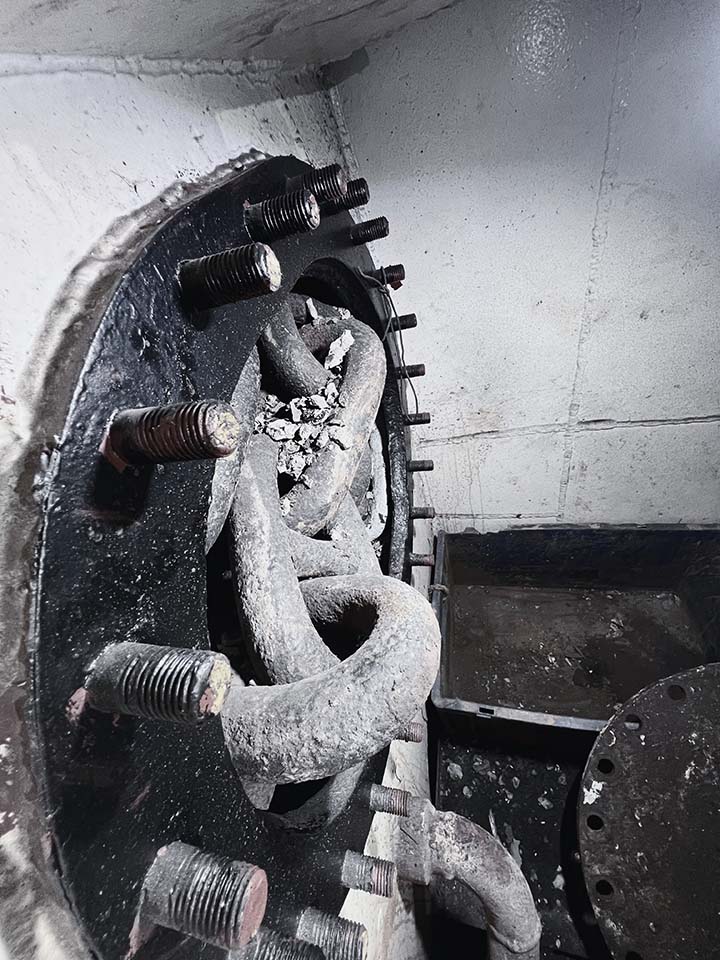
Readiness needs to be understood from the actual condition of the vessel, equipment, documentation, crew and outstanding work, rather than from assumptions or previous status.
CASE STUDY 03 · SHIP MANAGEMENT LEADERSHIP
A fleet management improvement initiative focused on strengthening vessel readiness, cross-functional coordination, accountability and management visibility.
PROJECT CONTEXT
Maintaining vessel readiness requires coordination across marine operations, technical, HSE, crewing, procurement, documentation and management.
In a multi-vessel environment, individual departments may complete their own activities while the overall operational picture remains fragmented.
The objective was therefore to improve visibility, clarify ownership and strengthen the way readiness was monitored across the organisation.
THE MANAGEMENT CHALLENGE
Vessel information, technical status, documentation and operational requirements were not always visible through one structured management view.
Some activities depended heavily on individual knowledge and follow-up rather than clearly structured processes and ownership.
Technical, HSE, crewing, marine and supporting functions needed stronger coordination around common operational priorities.
Management required clearer visibility of outstanding issues, priorities, responsibilities and their potential impact on vessel operations.
MY ROLE
My role involved overseeing and coordinating key functions affecting fleet readiness and operational reliability.
The focus was not to replace departmental responsibilities, but to connect them around a common operational objective.
IMPROVEMENT APPROACH
Readiness needs to be understood from the actual condition of the vessel, equipment, documentation, crew and outstanding work, rather than from assumptions or previous status.
Outstanding technical issues, documentation gaps, maintenance requirements, compliance matters and operational constraints need to be identified and prioritised.
Every significant readiness issue needs a responsible function, clear follow-up and an expected completion path.
Technical, marine, HSE, crewing, procurement and supporting functions need to operate from a shared understanding of the vessel's operational priorities.
Readiness information should allow management to understand what is complete, what remains outstanding, who owns the issue and what operational risk it may create.
MANAGEMENT THINKING
RESULT & CONTRIBUTION
The improvement initiative strengthened the focus on vessel readiness as a shared management responsibility rather than a collection of independent departmental tasks.
Greater attention was given to identifying readiness gaps earlier, improving coordination between functions and establishing clearer ownership of outstanding matters.
The approach also reinforced the importance of structured information and management systems in reducing dependency on individuals and supporting more consistent operational control.
WHAT THIS EXPERIENCE TAUGHT ME
“Repeated operational problems are often symptoms of a system problem.”
When the same type of readiness issue continues to appear, the solution should not always be another reminder or another follow-up. The deeper question is whether the organisation has the right process, ownership, information and controls to prevent the issue from recurring.
Strong ship management therefore requires more than keeping vessels operational. It requires building a management environment where people have clarity, issues are visible and action is taken before operational problems become critical.