Understand the Tow
Reviewed the tow characteristics, condition, draft, configuration and operational limitations to understand the risks before departure.
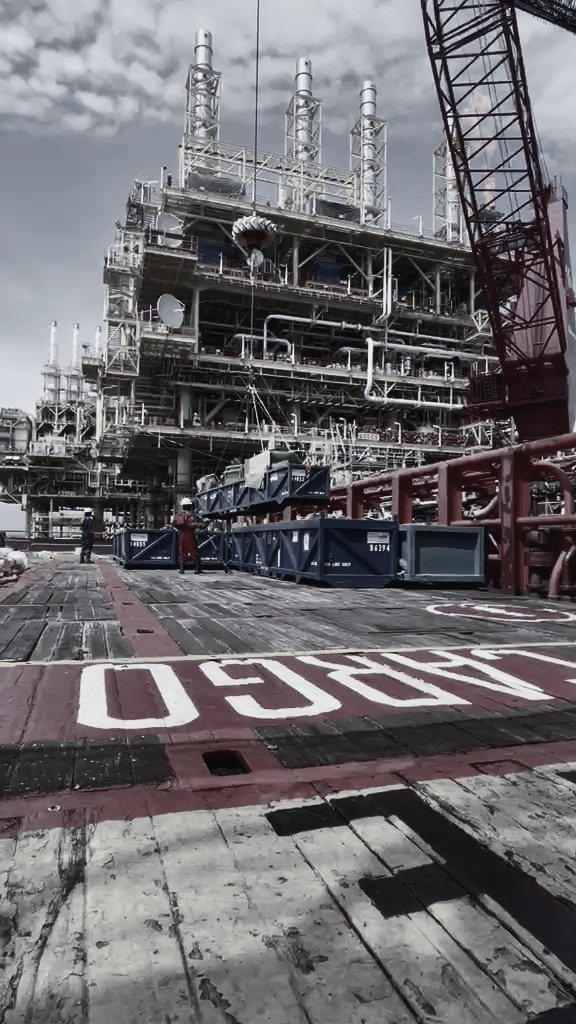
CASE STUDY 02 · MARINE OPERATIONS
A long-distance towing operation involving a non-self-propelled vessel, requiring careful preparation, towing risk assessment, marine coordination and operational control throughout the voyage.
PROJECT CONTEXT
Long-distance towing of a non-self-propelled vessel requires more than selecting a tug with sufficient towing capability.
The operation involves the condition of the tow, towing arrangement, weather, passage planning, fuel endurance, crew capability, communications, ports and logistics, as well as contingency planning.
Every element needs to work together before the tow leaves port.
OPERATIONAL COMPLEXITY
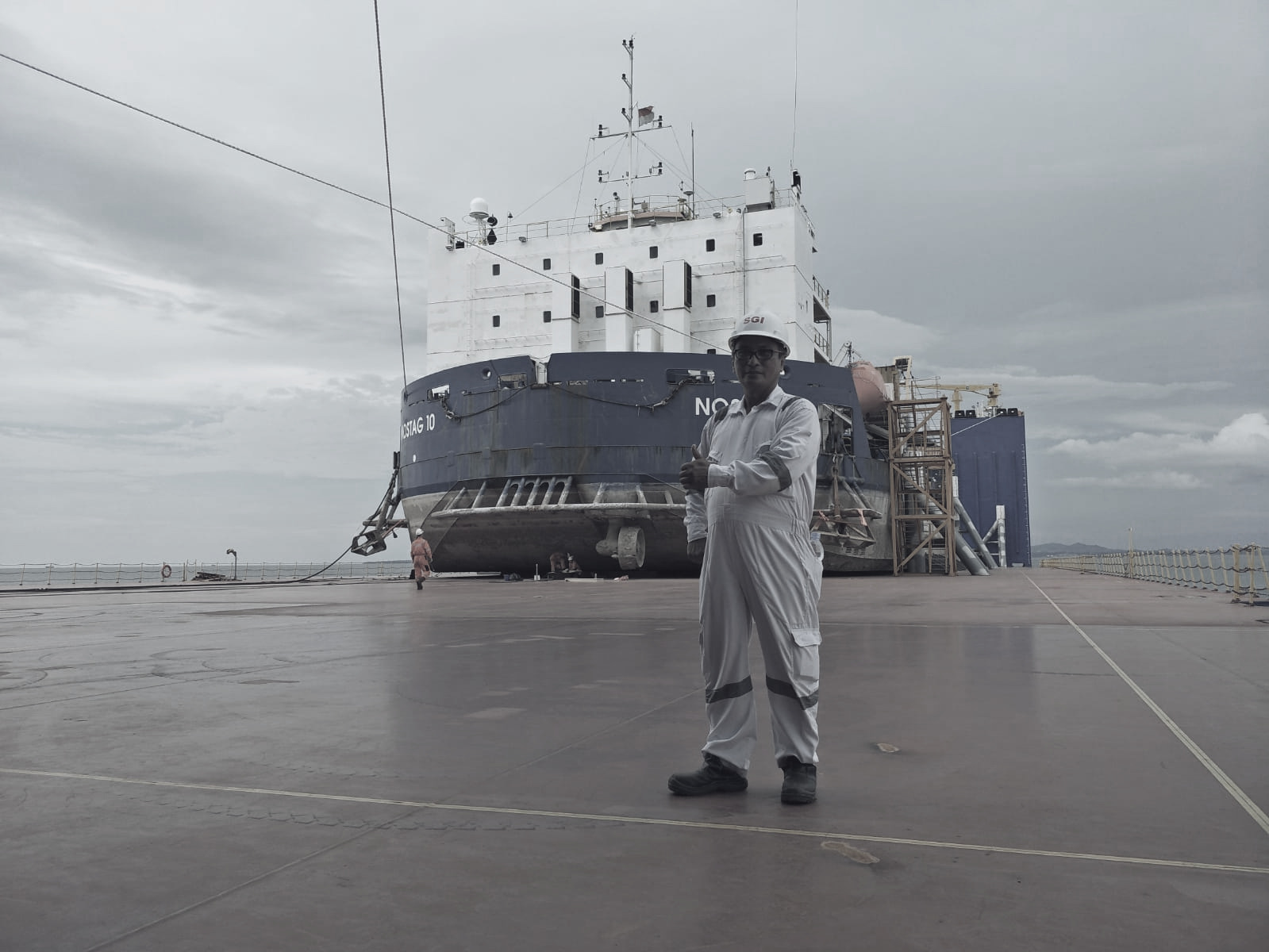
The condition, configuration and characteristics of the non-self-propelled vessel had to be understood before departure.
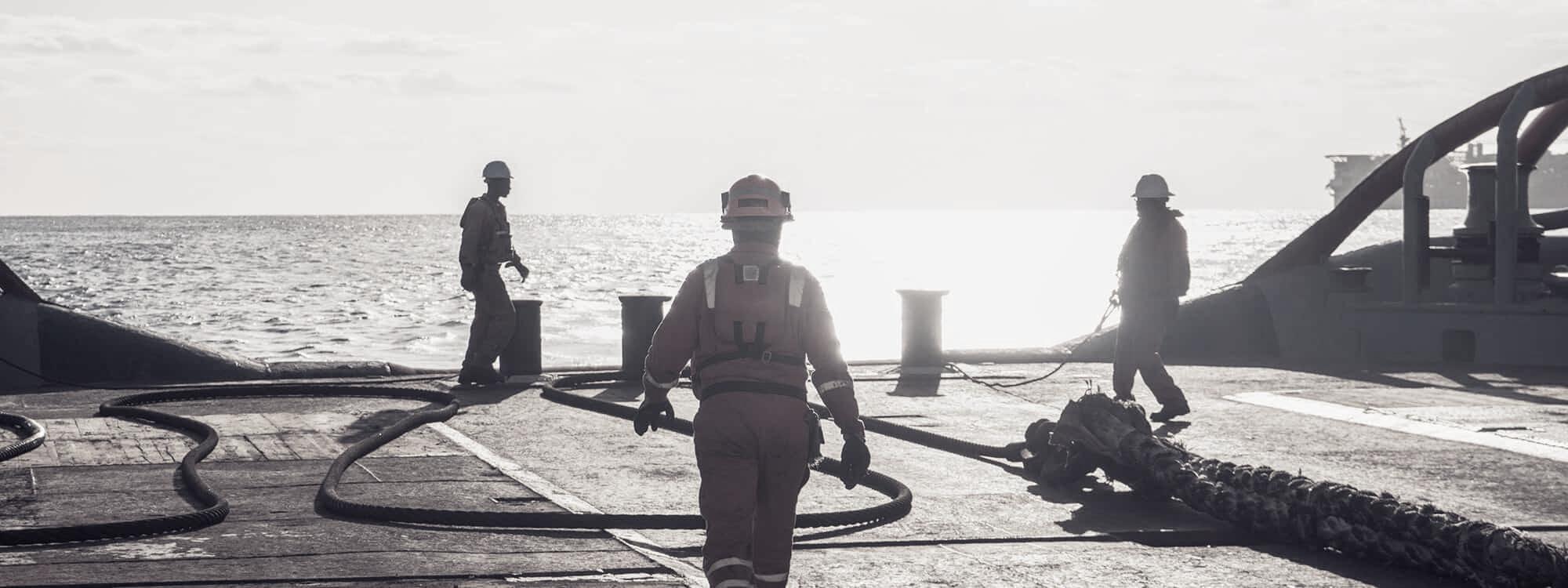
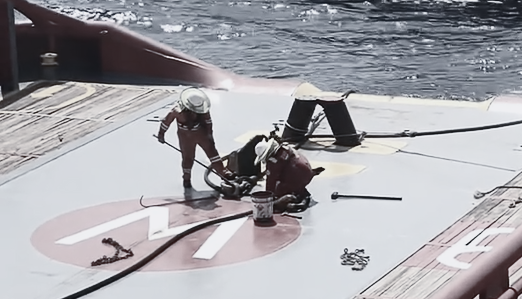
The towing arrangement, equipment condition and operational limitations had to be properly assessed and prepared.
Long-distance towing requires passage planning, weather assessment and continuous monitoring of environmental conditions.
Fuel consumption, provisions, port requirements, agency support and operational logistics had to support the complete voyage.
MY ROLE
My responsibility was to ensure that the towing operation was properly prepared and that the different operational requirements were aligned before and during the voyage.
OPERATIONAL APPROACH
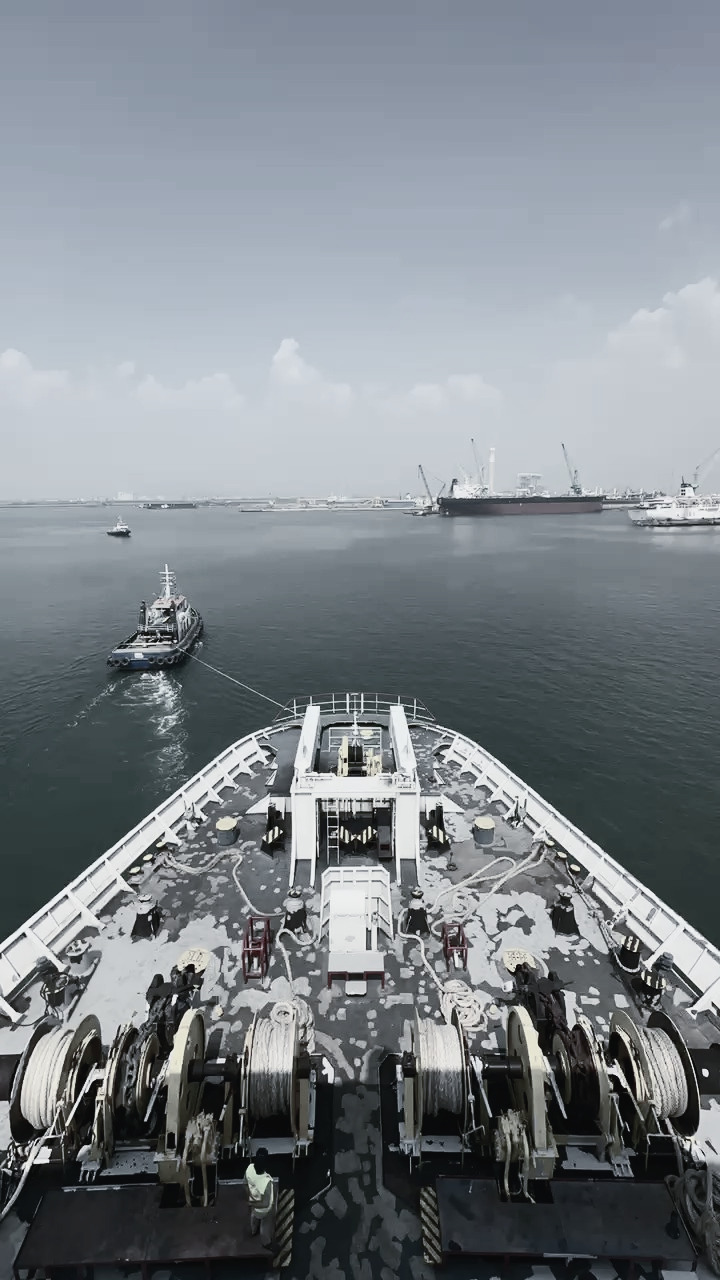
Reviewed the tow characteristics, condition, draft, configuration and operational limitations to understand the risks before departure.
Ensured that towing equipment and arrangements were appropriate for the planned operation and that critical equipment was available and fit for purpose.
Considered route, weather, expected speed, fuel endurance, operational limitations, communication requirements and potential contingencies.
Coordinated crew, port support, agency, fuel, provisions and other logistics required to maintain the operation throughout the voyage.
Operational performance and changing conditions were monitored throughout the voyage so that decisions could be made before risks developed into operational problems.
OPERATIONAL THINKING
RESULT & CONTRIBUTION
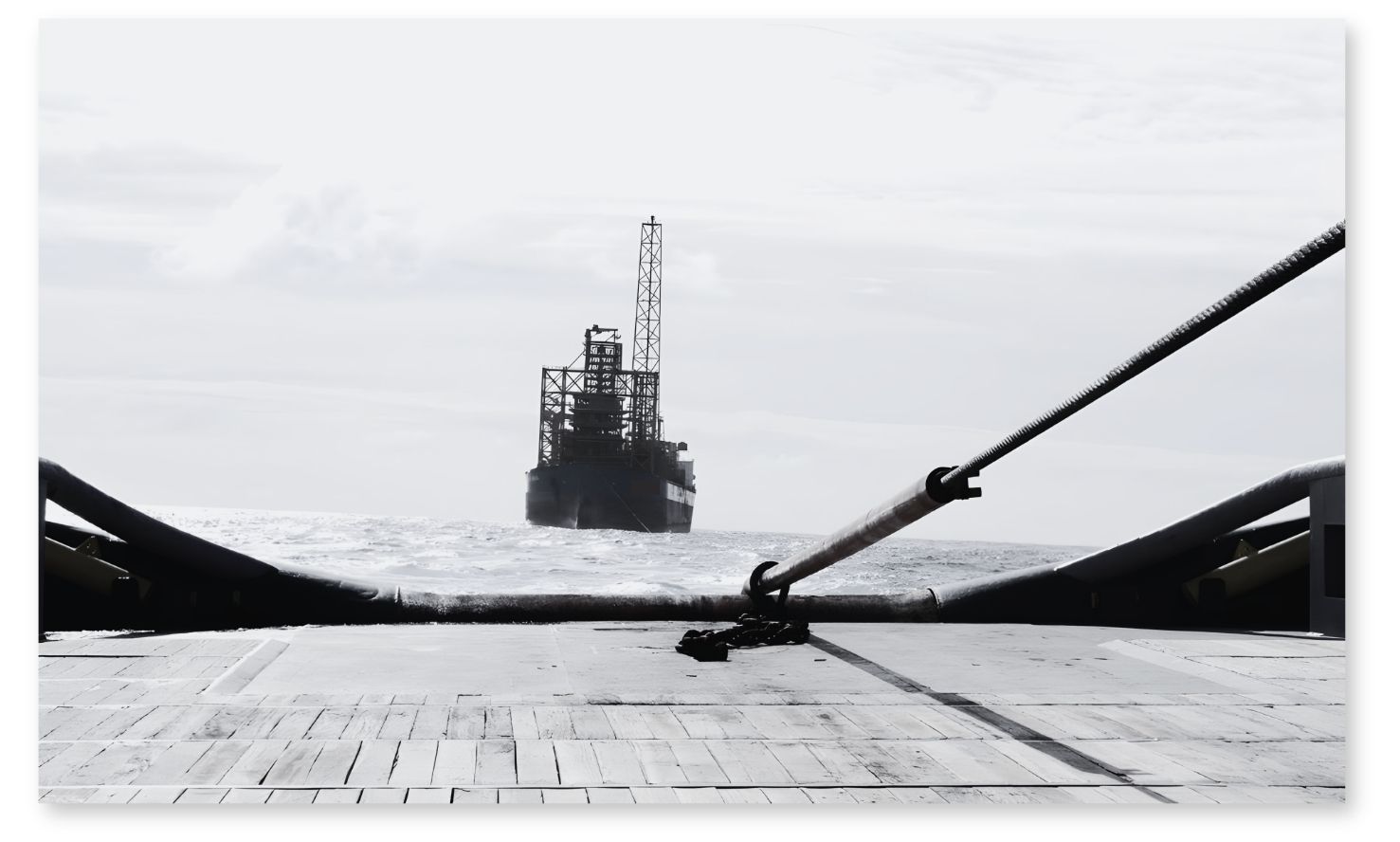
The towing operation required coordinated preparation of the tug, tow, towing arrangement, voyage plan and operational support system.
The experience reinforced the importance of treating towing as an integrated marine operation rather than a task defined by horsepower or bollard pull alone — preparing not only the tug and tow, but the entire operational support system surrounding the voyage.
Preparation, risk assessment, logistics and continuous monitoring all contribute to maintaining operational control throughout the voyage.
WHAT THIS EXPERIENCE TAUGHT ME
“Good marine operations are controlled before they become critical.”
In long-distance towing, many operational problems can be traced back to decisions made before departure. Understanding the tow, preparing the equipment, planning the voyage and aligning the support system are therefore as important as managing the tow at sea.
The role of marine leadership is not simply to respond when conditions change. It is to anticipate where the operation can fail, establish appropriate controls and create enough visibility for the team to act early.