Readiness Review
Reviewed the vessel's actual condition, technical status, equipment availability, crew readiness and project requirements.
CASE STUDY 01 · SPECIALIZED MARINE OPERATIONS
A cable restoration operation that required coordinated vessel readiness, technical recovery, crew preparation, regulatory compliance and project execution.
PROJECT CONTEXT
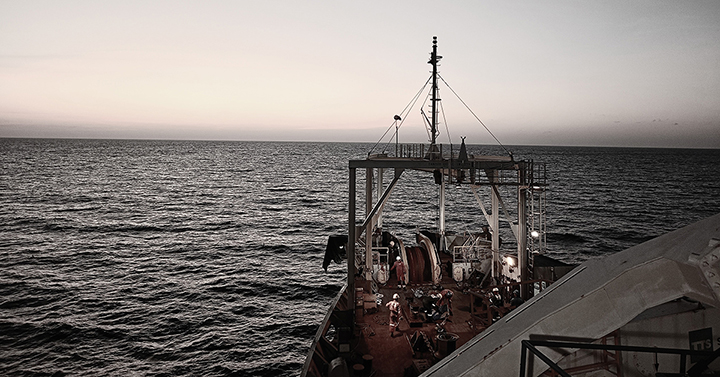
The cable restoration project required the vessel to return to operational service while several technical, operational and project requirements still needed to be addressed.
Previous successful operations could not simply be used as evidence of current readiness. The vessel's actual condition, equipment, crew, compliance and project requirements needed to be reviewed again.
THE CHALLENGE
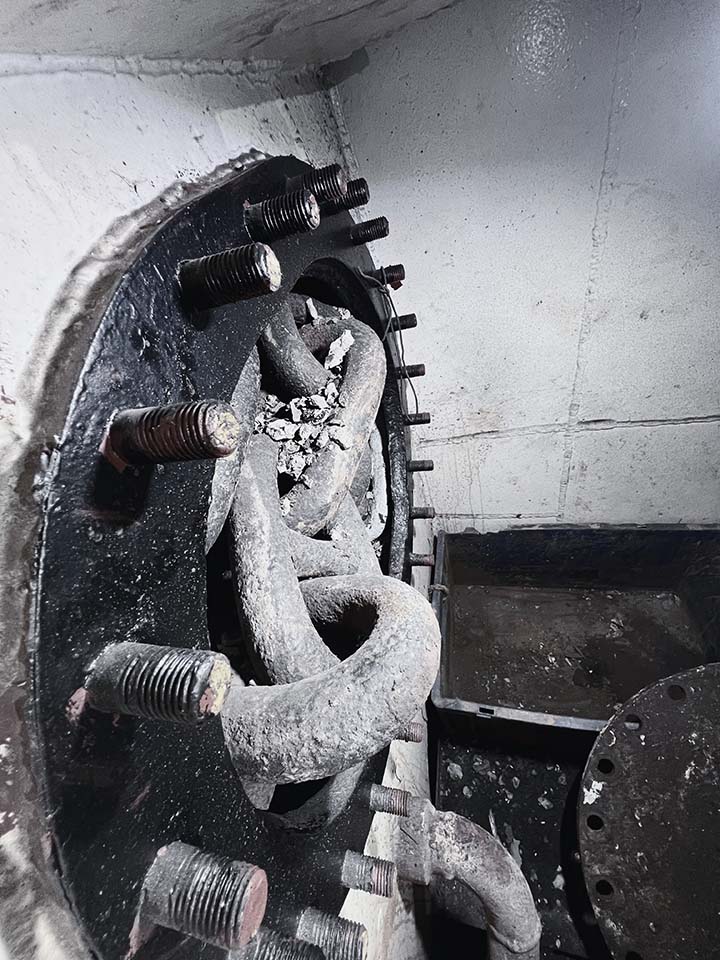
Technical issues required review, coordination and repair before the vessel could be considered ready.
Marine crew and project crew complement and readiness had to align with operational requirements.
Some project equipment was still in the delivery process and required close coordination with procurement.
Class, regulatory requirements and operational permits had to be confirmed before project execution.
MY ROLE
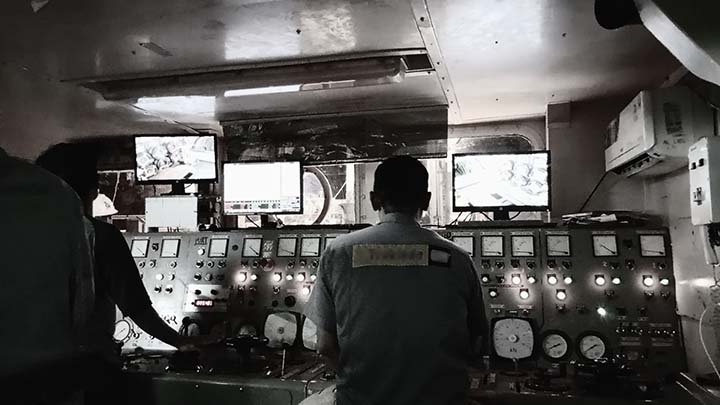
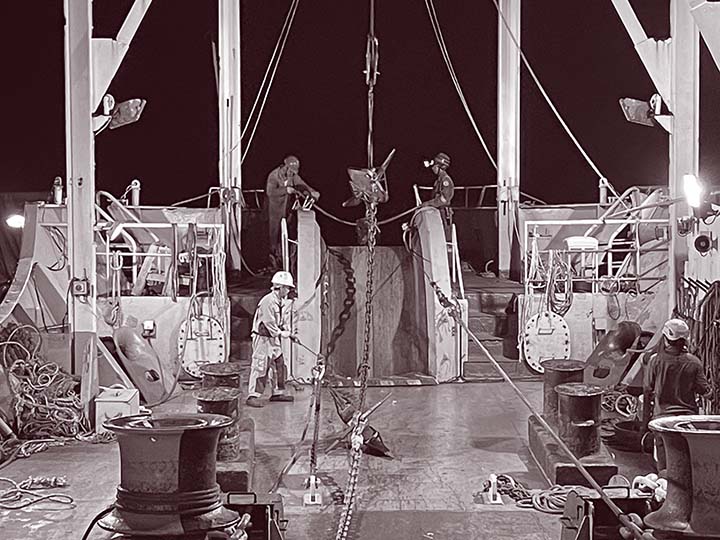
I was responsible for coordinating the overall readiness of the vessel and connecting the different functions required to bring the operation together.
OPERATIONAL APPROACH
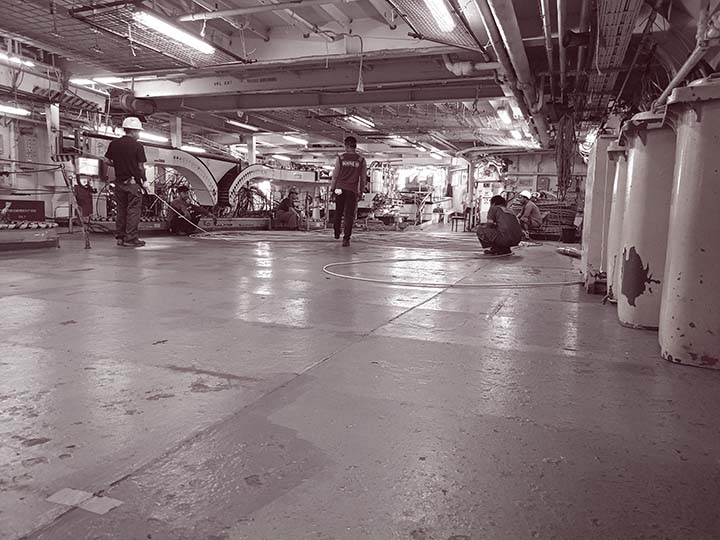
Reviewed the vessel's actual condition, technical status, equipment availability, crew readiness and project requirements.
Identified gaps that could affect project execution and coordinated the required actions before mobilisation.
Coordinated technical work, crew complement, project requirements, procurement activities and project schedule as interconnected readiness elements.
Coordinated with relevant maritime authorities and the Harbour Master to ensure the required operational permissions were addressed.
Readiness was verified against actual vessel conditions rather than relying only on reports, emails or messaging group updates.
OPERATIONAL THINKING
RESULT & CONTRIBUTION
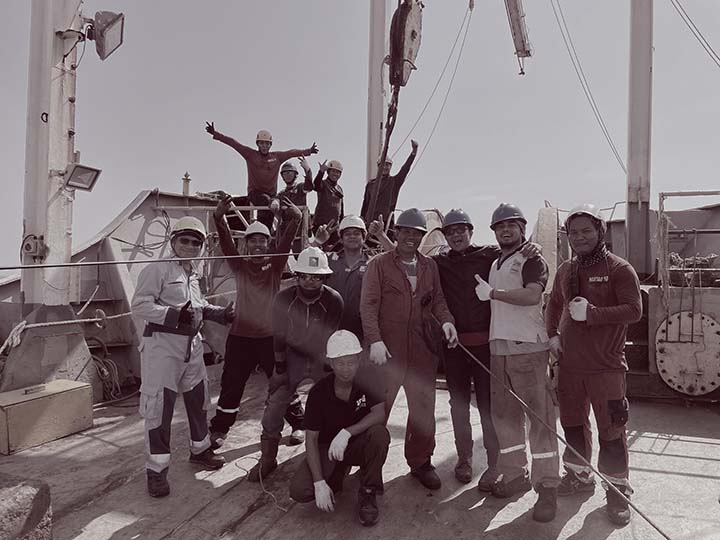
Through early readiness review, gap identification and cross-functional coordination, the vessel was able to perform the cable restoration project successfully.
The experience also highlighted opportunities to improve the readiness process itself, particularly around idle-vessel condition, maintenance visibility, inventory and project equipment preparation.
The lessons were translated into an improved readiness approach to identify issues earlier, improve coordination and reduce dependence on last-minute problem solving.
WHAT THIS EXPERIENCE TAUGHT ME
“Operational readiness is not a reported status. It is a verified condition.”
In complex vessel operations, readiness cannot be assumed based on the vessel's last successful project. Technical condition, maintenance status, inventory, crew readiness and operational requirements can change during an idle period.
Effective coordination also requires more than email and messaging groups. Someone must connect the information, verify the actual condition and ensure that outstanding issues are resolved before they become last-minute operational problems.