SELECTED ARTICLE · OPERATIONAL LEADERSHIP
Decision-Making Under Pressure: Balancing Safety, Time, and Commercial Expectations
Rethinking Operational Discipline, Safety Management, and Leadership Commitment
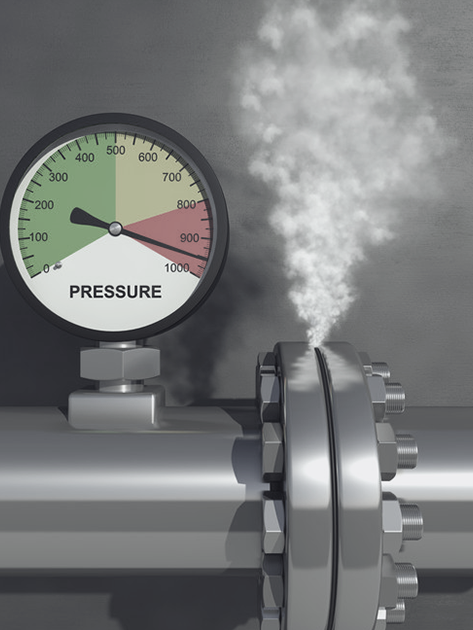
When Operational Reality Meets Commercial Pressure
In maritime operations, decisions are rarely made under ideal conditions. A vessel may be committed to a project, a client may be expecting the operation to proceed, and the schedule may leave little room for delay. Yet the actual condition of the vessel, its machinery, or its project equipment may not fully match the requirements of the planned operation.
These situations test more than technical competence. They test the quality of leadership, the discipline of risk assessment, the effectiveness of communication, and the ability to make decisions that are both operationally practical and professionally accountable.
Commercial commitments matter. Schedules matter. Additional costs matter. But none of these should replace a proper assessment of operational risk.
The real challenge is not simply deciding whether an operation should proceed or be delayed. It is determining what can be done safely, what conditions must be met, what risks remain, and whether the proposed controls are sufficient to support a responsible decision.
1. Recognising the Gap Between Planned and Actual Conditions
An operational plan is developed around an expected level of readiness. The vessel, machinery, personnel, and project equipment are assumed to be available and fit for their intended purpose.
Reality, however, does not always follow the plan.
In one operational situation, the condition of machinery and the availability of project equipment did not fully match the requirements of the planned operation. At the same time, the vessel was expected to proceed because of the client's requirements and the established project schedule.
This created competing pressures. Delaying the operation could affect the schedule and create commercial consequences. Proceeding without a proper assessment could expose the vessel and the project to unacceptable risks.
At that point, the priority was not to defend the original schedule at any cost. It was to establish a clear understanding of the actual condition and determine whether the outstanding issues could be managed through appropriate controls.
“A schedule tells us when an operation is expected to happen. It does not, by itself, establish whether the vessel is ready to perform it.”
2. Assess the Actual Condition Before Making the Decision
Effective operational decisions begin with facts.
When the actual condition differs from the expected condition, management must understand the nature of the deficiencies, their potential consequences, and the measures required to control the associated risks.
In the situation described, I assessed the actual condition, developed a mitigation plan to address the identified risks, and presented the assessment and proposed controls to management for approval.
This step was important because the decision could not reasonably be based on commercial pressure alone. The operational circumstances, outstanding requirements, proposed mitigation measures, and responsibilities needed to be understood before proceeding.
An assessment should help decision-makers distinguish between issues that can be managed under defined conditions and deficiencies that prevent an operation from proceeding safely.
Not every operational problem can be resolved through mitigation. Where the remaining risk is unacceptable, or essential safety and operational requirements cannot be met, the operation must not proceed until the necessary conditions have been satisfied.
The purpose of risk assessment is therefore not to justify a decision that has already been made. It is to establish the basis for deciding what is acceptable, what controls are necessary, and what limitations must be respected.
3. Reporting Is Part of Operational Control
Timely reporting connects the vessel with shore management. When reports are delayed or incomplete, the office may lack a sufficiently current picture of operational conditions, outstanding deficiencies and emerging risks.
Reporting systems should minimise duplicate work, establish clear responsibilities and enable the timely communication of important information. Digital tools may help, provided they are practical and properly supported.
Information has limited value if it is collected but does not lead to appropriate management attention, decisions or action.
4. Recurring Deficiencies: Are We Correcting the Problem?
When the same deficiency appears repeatedly on one vessel or across several vessels, the organisation should look beyond the immediate finding. The original corrective action may not have addressed the underlying cause.
A meaningful review should examine why the deficiency occurred, whether the corrective action addressed its causes, and whether the change produced the intended result.
Responsibility, deadlines and a method of verifying effectiveness should be clearly established. Lessons from one vessel should also be considered for other vessels where the same risk may exist.
“The true measure of corrective action is not the closure of a finding, but the effectiveness of the improvement that follows.”
5. Safety Is a Shared Responsibility
Deficiencies arising on board should not automatically be treated as the responsibility of shipboard personnel alone. Safe operations depend on cooperation between the vessel, shore-based management and the wider organisation.
Masters and officers must carry out their duties, follow applicable procedures and report concerns. Superintendents should provide guidance, verify implementation and help resolve operational difficulties. Management must ensure that appropriate systems, resources and oversight arrangements are available.
A safety committee can bring these responsibilities together by encouraging open discussion, examining recurring deficiencies, agreeing on improvements and monitoring whether actions deliver meaningful results.
Shared responsibility does not remove individual accountability. It ensures that individual duties are supported by an organisation willing to identify systemic weaknesses and address them collectively.
6. Management Commitment Must Be Demonstrated Through Action
Safety committees may identify problems and propose improvements, but progress remains limited if the organisation is unwilling to provide the necessary resources or approve justified safety-related expenditure.
Safety improvements should not automatically be regarded as an additional burden. They are part of maintaining effective risk controls and supporting safe operations.
Recommendations should be assessed for their risks, benefits, feasibility and resource requirements. Where a proposed measure cannot be implemented as submitted, management should ensure that the underlying risk is addressed through an appropriate alternative.
Reviews must go beyond producing records for audits and certification. Findings, unresolved actions, resource constraints and decisions requiring management attention should be communicated clearly and honestly.
“Management commitment is demonstrated not only by the policies it approves, but also by the decisions it makes, the resources it provides, and the improvements it ensures are completed.”
7. From Compliance to Continuous Improvement
Effective operational culture requires practical procedures, timely reporting, meaningful engagement between ship and shore, effective corrective action and management support.
Simplifying documentation without maintaining essential controls is not an effective solution. Conducting ship visits without listening to feedback will not improve procedures. Recording corrective actions without verifying their effectiveness will not prevent recurrence.
Operational thinking means understanding the relationship between people, procedures, information, decisions and organisational support rather than treating each element as a separate administrative requirement.
Conclusion: A System Must Learn to Become Effective
An effective ship management system cannot be measured simply by the number of procedures issued, forms completed, reports submitted or findings closed.
Its real value lies in whether these arrangements improve operational discipline, provide reliable information, support sound decisions and prevent recurring deficiencies.
Achieving this requires practical procedures, open communication between ship and shore, effective corrective action and genuine commitment from management to support improvement.
“The strength of a safety management system is demonstrated not by how much it documents, but by how effectively it learns, improves, and protects the people and operations entrusted to it.”